We will plant 10,000 Wiliwili trees
on Oʻahu by 2029
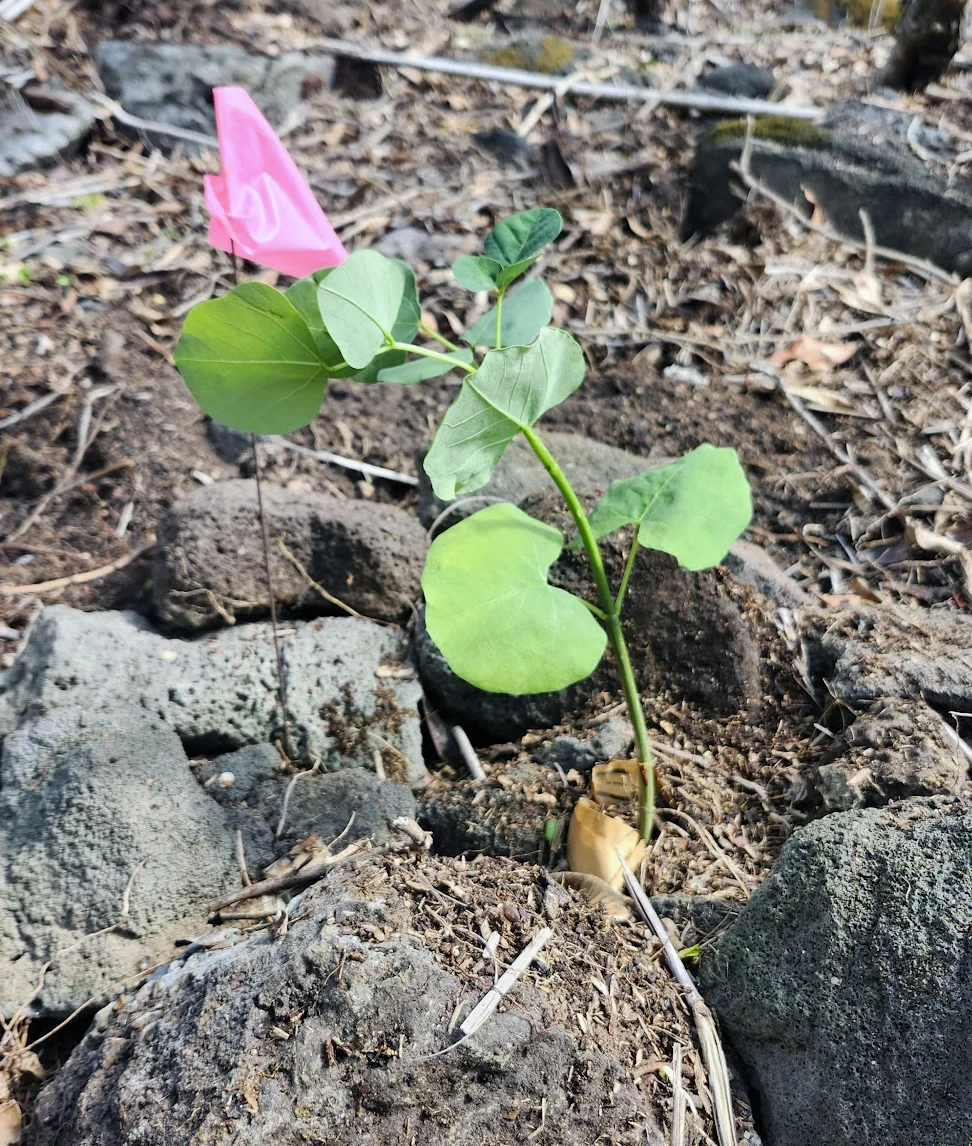
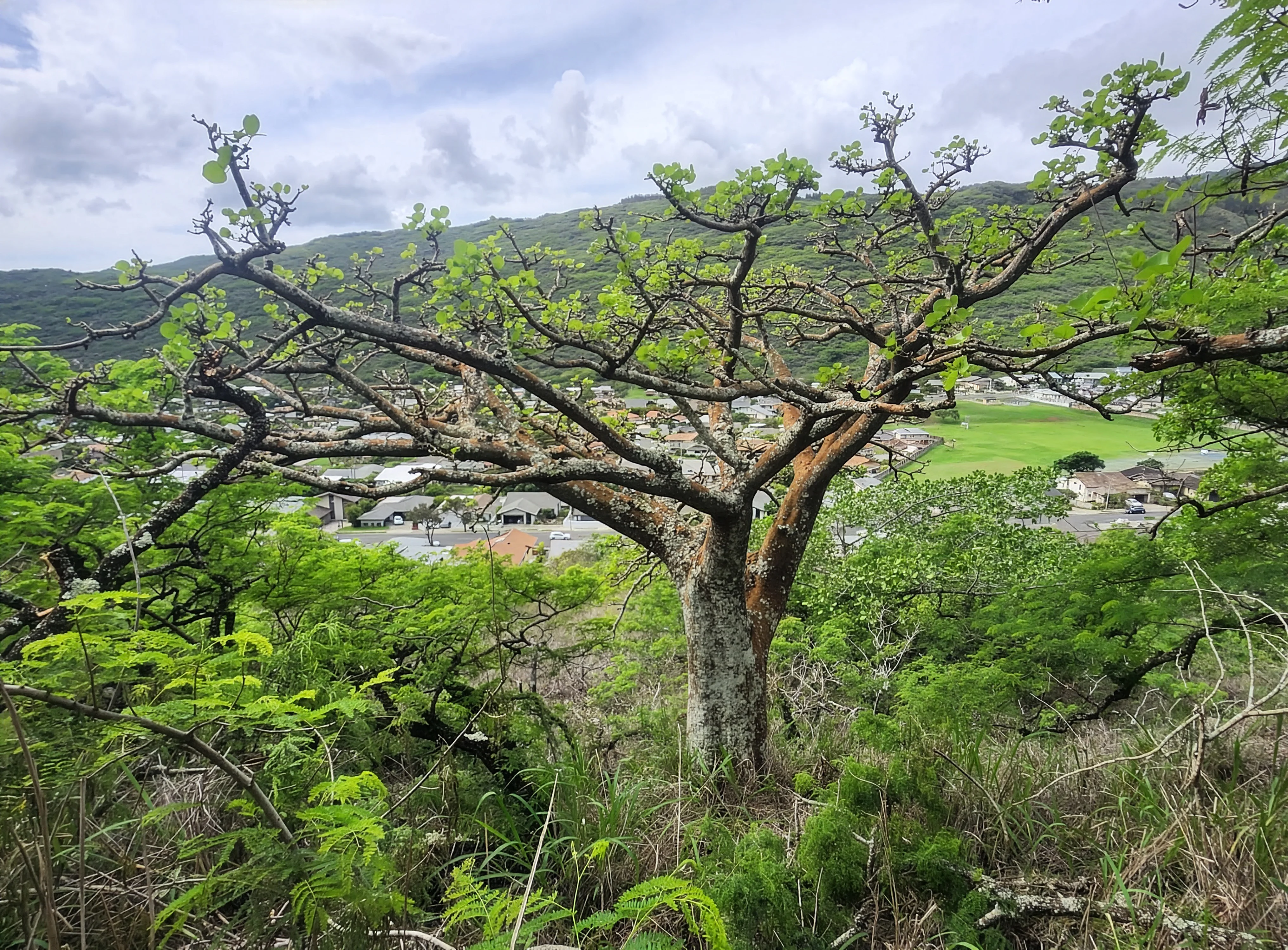
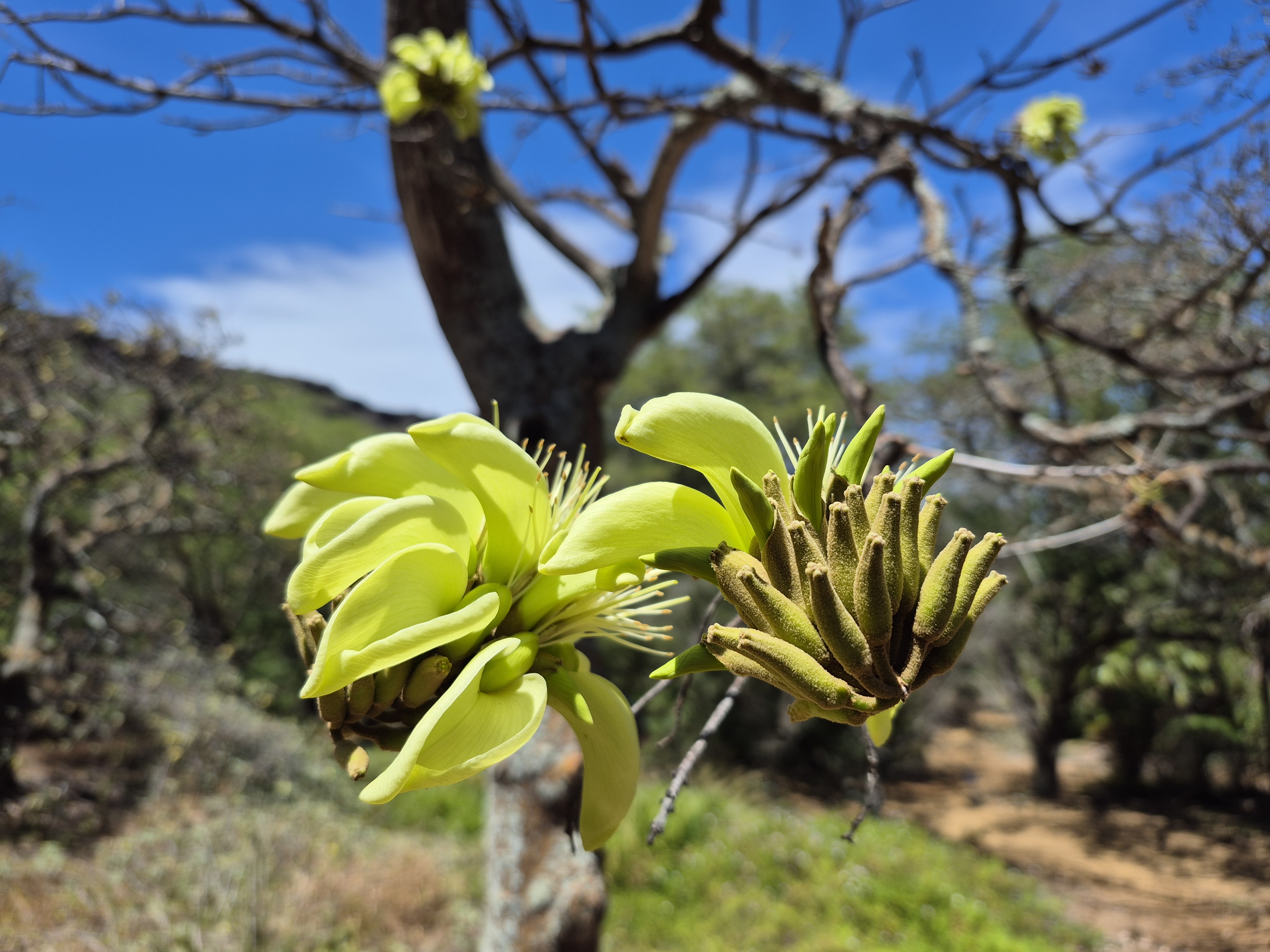
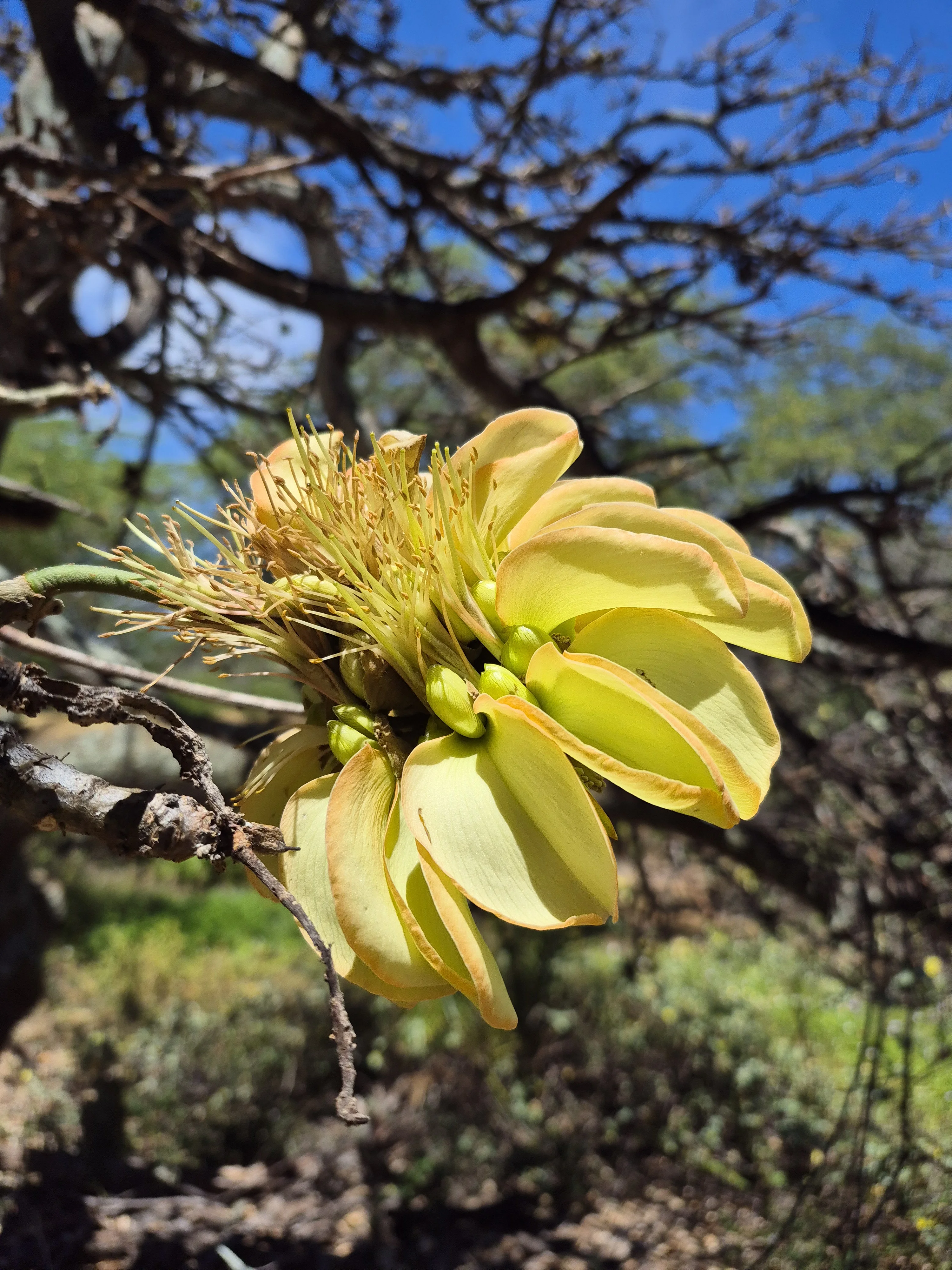
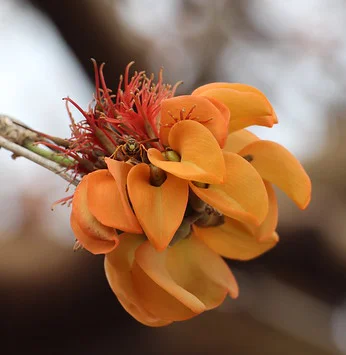
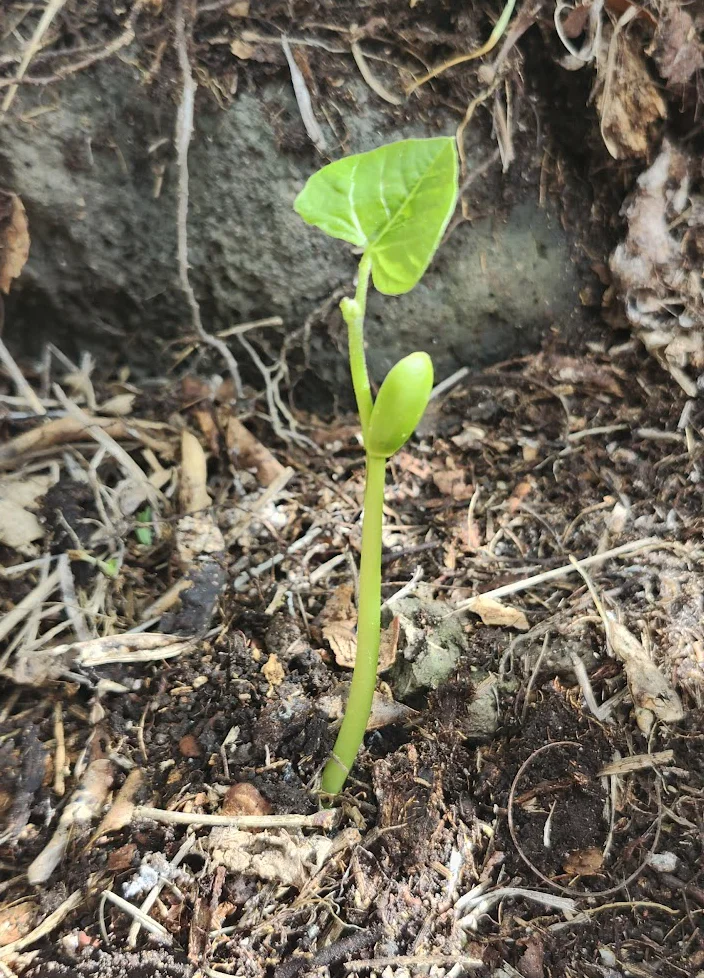
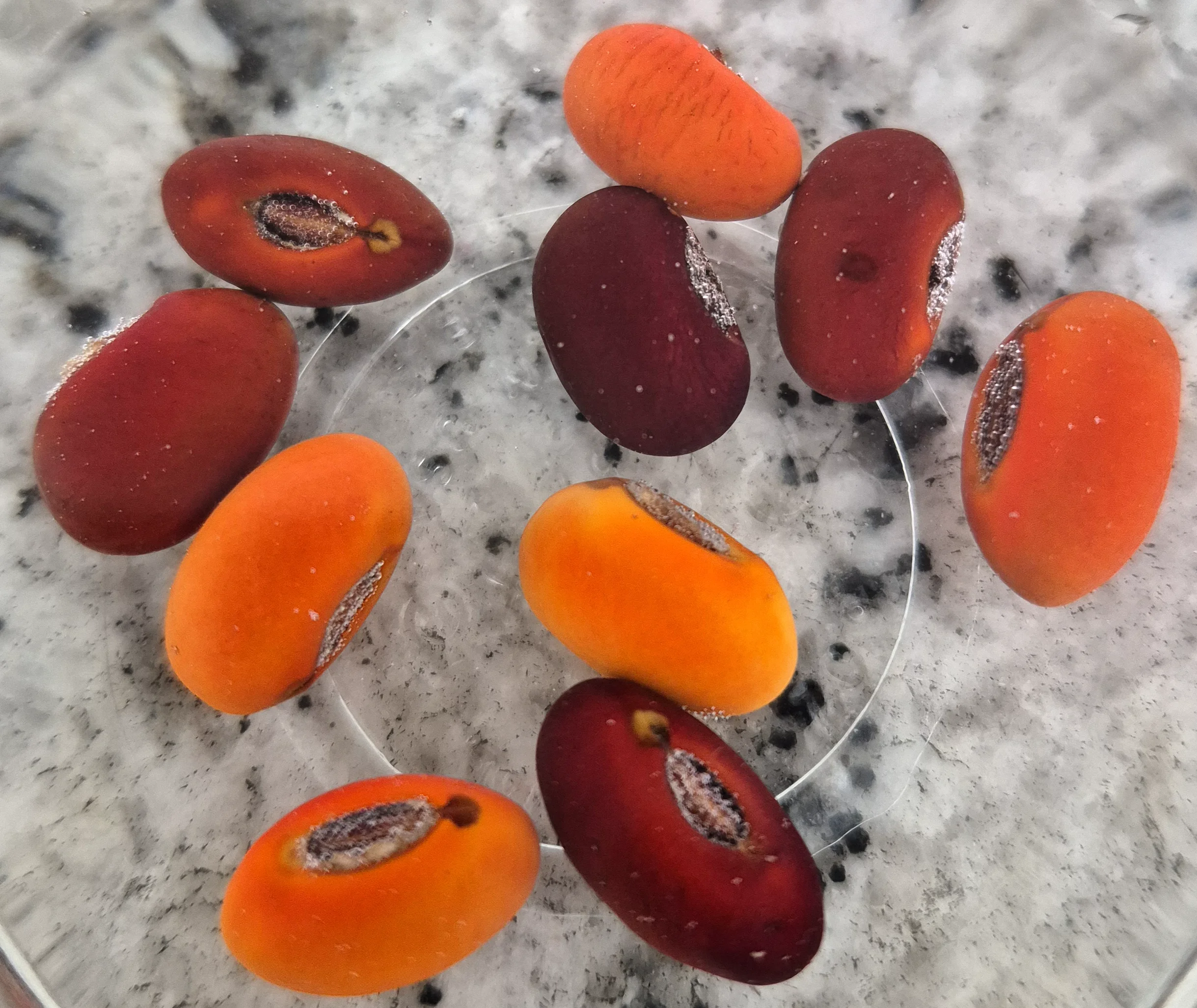
Wiliwili (Erythrina sandwicensis) is one of Hawaiʻi’s most iconic native trees. Endemic to the islands, this deciduous canopy species once dominated lowland dry areas throughout the islands. It's spectacular flowers, which can range from from nearly white to green yellow, salmon, to near red, often with all the colors within a single population were once a common site. The bright red seeds are used in the making of seed lei. In 2005, the invasive erythrina gall wasp (Quadrastichus erythrinae) began causing widespread defoliation and mortality in wiliwili populations. A biological control program launched in 2008 introduced a parasitoid wasp (Eurytoma erythrinae), which successfully reduced gall infestations. As a result, many surviving trees regained vigor, with improved growth, flowering, fruiting, and seed production. However, on Oʻahu adult trees are thriving and producing lots of seeds but seedlings and saplings are rare.
What is the long-term status of wiliwili recovery, nearly 20 years later?
Recent field surveys of multiple populations in East Oʻahu reveal a concerning pattern. While mature trees are present and producing abundant seed, there is little to no natural regeneration. Natural wiliwili groves are not very common, but most share a similar pattern: Numerous mature and aging trees. Good levels of seed production, and very few seedlings, saplings, or young trees. This imbalance suggests that factors occurring after seed dispersal may be limiting recruitment. This includes seed and seedling predation by beetles, rats and pigs, competition from invasive grasses, trees and shrubs, and increasingly dry conditions associated with climate change. Research is underway to better understand the relative importance of these interacting stressors and to identify practical solutions.
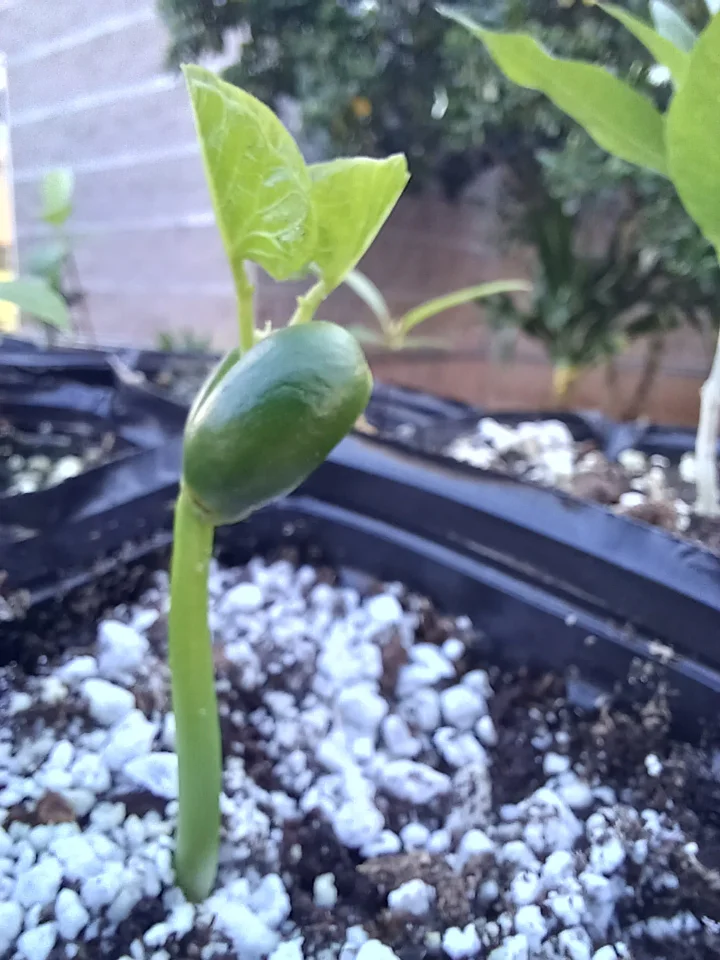
In collaboration with community groups we are establishing wiliwili seed groves in both urban and forested settings. These gardens are designed to engage the community directly to help conserve wiliwili genetic diversity, increase seed availability, and address the current gap in seedling recruitment. Through science-based management and community partnerships, we are working to ensure that this vulnerable native tree remains a living component of Hawaiʻi’s dry forest ecosystems for generations to come.
Send us a message to get involved. We are currently in the seedling stage of this project and are building the foundation for long-term success. We welcome volunteers, suggestions for urban and community planting sites, landowners with wild wiliwili stands who can support responsible seed collection, individuals interested in germinating and growing seedlings at home, and cultural practitioners who work with wiliwili seed lei. We also welcome financial support to help expand and sustain this effort.
Our goal is to build a strong hui of like-minded community members committed to restoring wiliwili to prominence on Oʻahu and ensuring its future in both our landscapes and our cultural traditions.
.jpg)
.jpeg)
.webp)